
Severe-Service Wear Components: Grinding Tungsten Carbide for Abrasive, Corrosive & High-Friction Environments
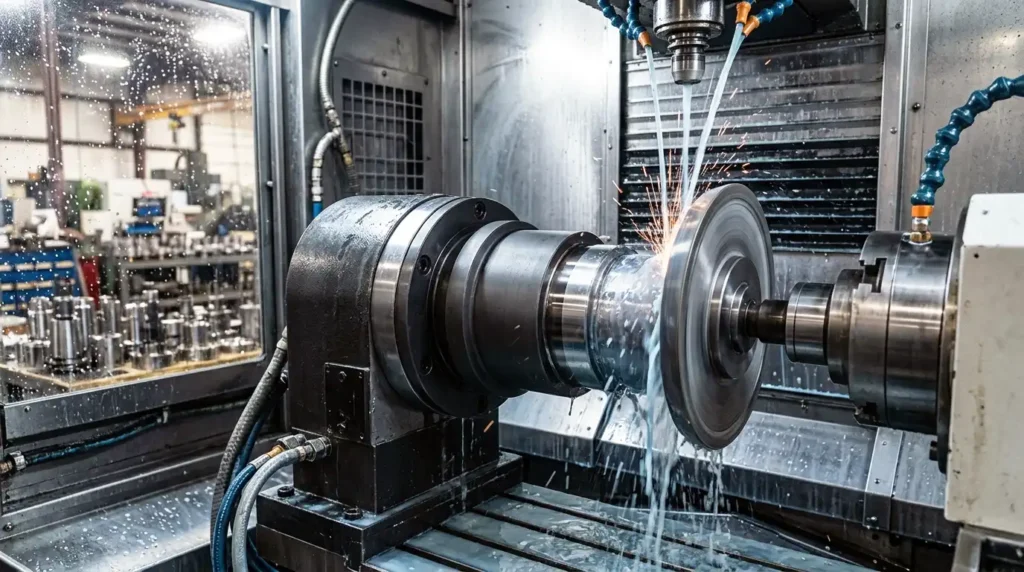
In high-volume manufacturing, chemical processing, and fluid handling, the cost of unplanned downtime rarely stems from catastrophic plant failures. More often, it traces back to a slow, predictable, yet notoriously expensive culprit: accelerated wear on mission-critical components. When abrasive slurries, high-velocity media, and corrosive chemicals circulate through a production line, standard tool steels and off-the-shelf […]
Beyond the Toolroom: Why Production Lines Shatter Carbide Punches & Dies
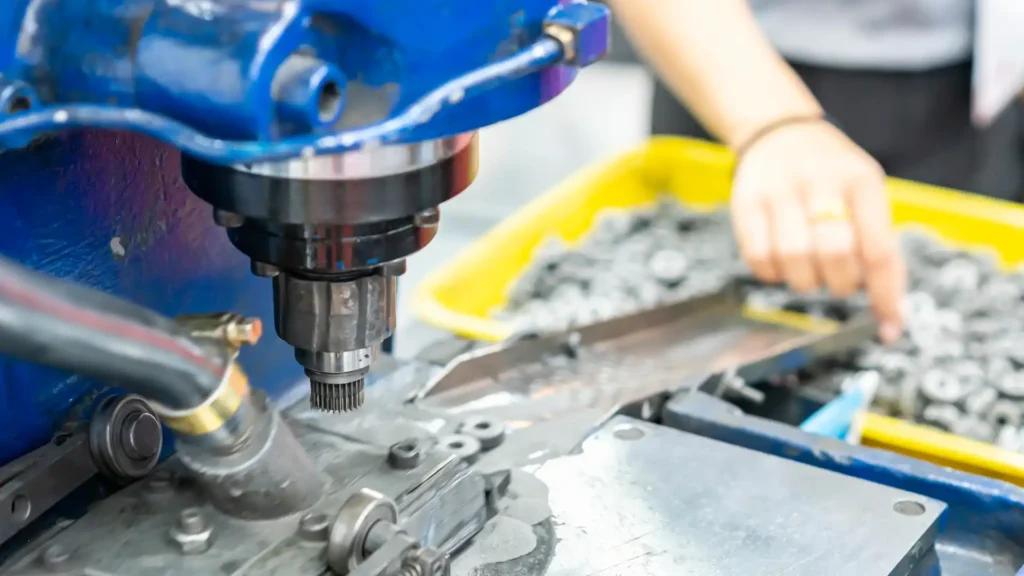
When a high-volume metal stamping or forming line suddenly grinds to a halt due to a fractured punch or a shattered die, the initial reaction in the toolroom is predictable: blame the raw material. On the surface, it seems logical. Tungsten carbide is prized across modern manufacturing for its exceptional compressive strength and extreme abrasion […]
CNC Grinding vs. Conventional Grinding: What’s the Real Cost Difference?
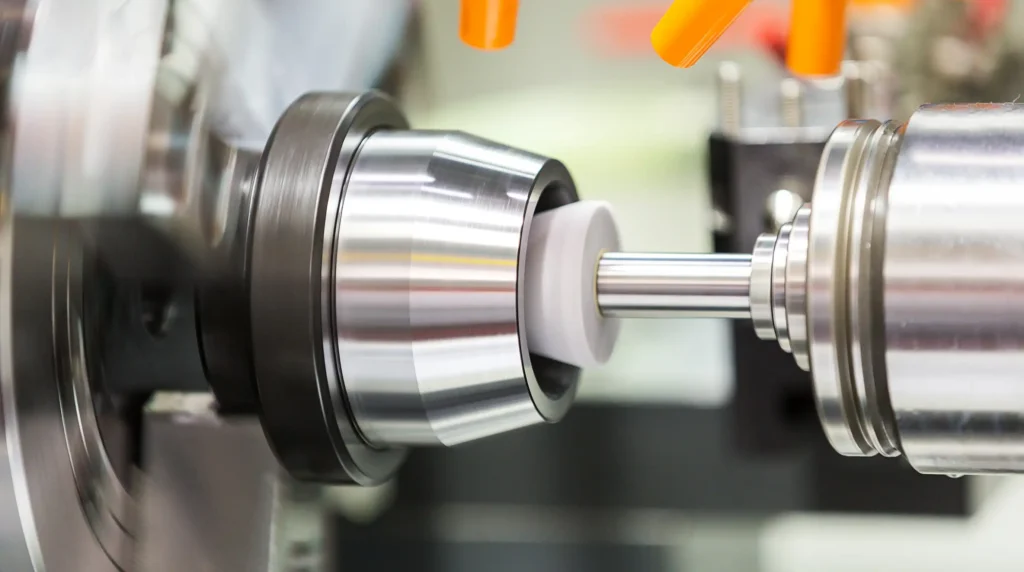
When evaluating tool room operating expenses, conventional grinding often looks like the clear financial winner on paper. The machinery carries a lower initial capital price tag, operator setup is straightforward, and for basic utility jobs, manual grinding gets the component back on the shop floor relatively quickly. However, when you are working with high-wear tungsten […]
Beyond the Polish: Why Concentricity is the Secret to Die Longevity
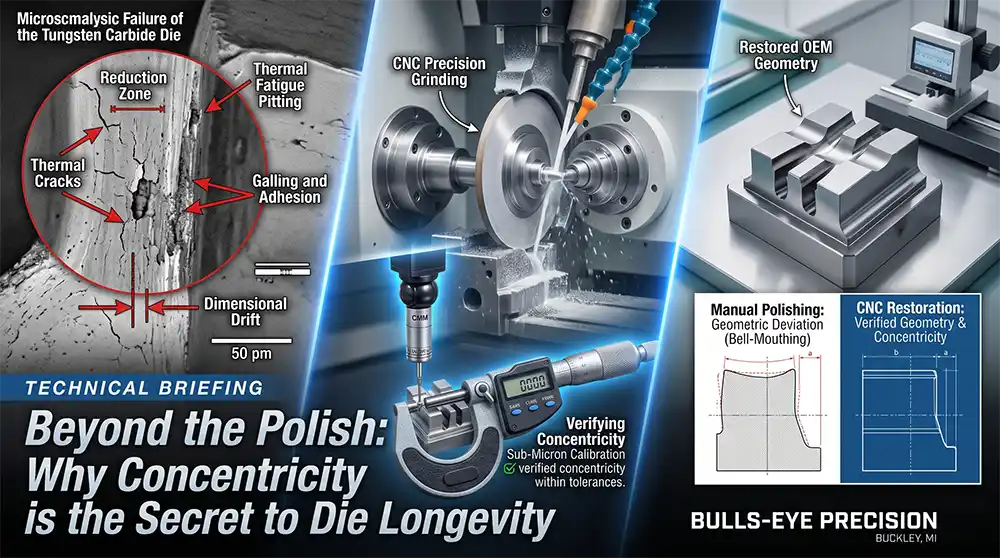
In the high-stakes world of high-volume extrusion, there is a dangerous and costly misconception: the belief that a “shiny” die is a “good” die. It is a common scene on shop floors across the country—a technician pulls a worn Tungsten Carbide die that is beginning to show signs of material drag, spends an hour with […]
How to Extend the Lifespan of Custom Extrusion Draw Dies
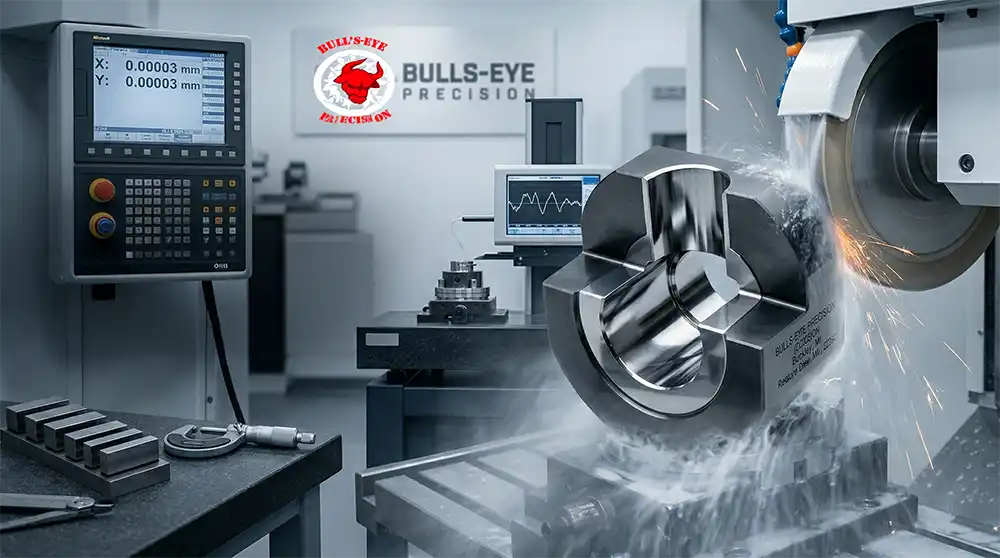
In high-volume manufacturing, unplanned downtime is the ultimate profit killer. When a die fails or falls out of tolerance mid-run, you aren’t just paying for replacement tooling—you are absorbing the cost of scrapped material, idled labor, and missed delivery windows. While custom tooling is engineered for maximum endurance, even the toughest materials are not invincible. […]
Repair vs. Replace: When to Salvage Your Tungsten Carbide Tooling

The Hidden Cost of the Scrap Bin On the shop floor, tungsten carbide is prized for its extreme hardness and wear resistance. But it isn’t invincible. When a custom draw die falls out of tolerance or a punch chips during a high-volume run, the immediate reflex for many purchasing managers is to scrap the part […]