The Hidden Cost of the Scrap Bin
On the shop floor, tungsten carbide is prized for its extreme hardness and wear resistance. But it isn’t invincible. When a custom draw die falls out of tolerance or a punch chips during a high-volume run, the immediate reflex for many purchasing managers is to scrap the part and order a replacement.
However, treating precision carbide tooling as a disposable asset is an expensive habit. Buying new custom tooling not only eats into your operational budget but also subjects your production schedule to volatile manufacturing lead times.
Before you toss that worn part into the scrap bin, you need to ask a crucial question: Is it actually dead, or does it just need to be restored?
In many cases, repairing, regrinding, or re-profiling tungsten carbide tooling can save your facility 40% or more compared to the cost of buying new, while getting your line back up and running in a fraction of the time.
The “Repair vs. Replace” Threshold
Knowing when to salvage a tool versus when to scrap it requires understanding the physical limits of the material and the specific tolerances of your application. Here is the technical threshold we use at Bullseye Precision to evaluate incoming carbide tooling:
When to Repair (The Green Light)
- Surface Wear and Galling: If the tool has simply lost its edge, developed a wear ring, or shows surface imperfections, precision regrinding can restore it to a mirror finish and exact spec.
- Minor Edge Chipping: As long as the chipping doesn’t compromise the core geometry of the tool, the damaged section can often be ground past, and the tool re-profiled for continued use.
- Available Material for Re-Sizing: For components like draw dies, if there is sufficient wall thickness remaining, the die can be polished and sized up to the next required internal dimension.
- Intact Core Integrity: If the tool is free of deep micro-fractures, it is structurally sound enough to withstand the machining process and safely return to the line.
When to Replace (The Red Light)
- Catastrophic Failure: Large cracks, deep fractures, or outright shattering mean the structural integrity of the carbide is gone. There is no safe or effective way to patch a shattered die.
- Minimum Tolerance Reached: If the tool has already been reground multiple times and has reached its absolute minimum functional size or length, machining it further will render it useless for your specific application. It is time to order a replacement.
The Hidden Costs of Buying New (Why Repairing Wins)
When you evaluate tooling costs, looking only at the price tag of a new part vs. a repair is a rookie mistake. The true cost of replacing custom tungsten carbide tooling is hidden in your operational downtime.
- Crippling Lead Times: Manufacturing a brand-new custom draw die or punch doesn’t happen overnight. Depending on the complexity and current supply chain constraints, new tooling can carry lead times of several weeks. Conversely, an established machine shop can often turn around a regrind or repair in a matter of days.
- Wasted Material Equity: Tungsten carbide is a premium material. When you scrap a tool that only has surface wear, you are throwing away 90% of the expensive raw material you already paid for. Repairing leverages the equity you already own.
- The “Throwaway” Culture: Facilities that default to replacing tooling often bleed budget unnecessarily. Training your floor managers to spot repairable wear before a tool catastrophically fails is one of the easiest ways to instantly improve your department’s bottom line.
Prime Candidates for Carbide Repair
Not every piece of scrap is a diamond in the rough, but certain components are prime candidates for salvage and restoration. Before you order a replacement, check your bins for these:
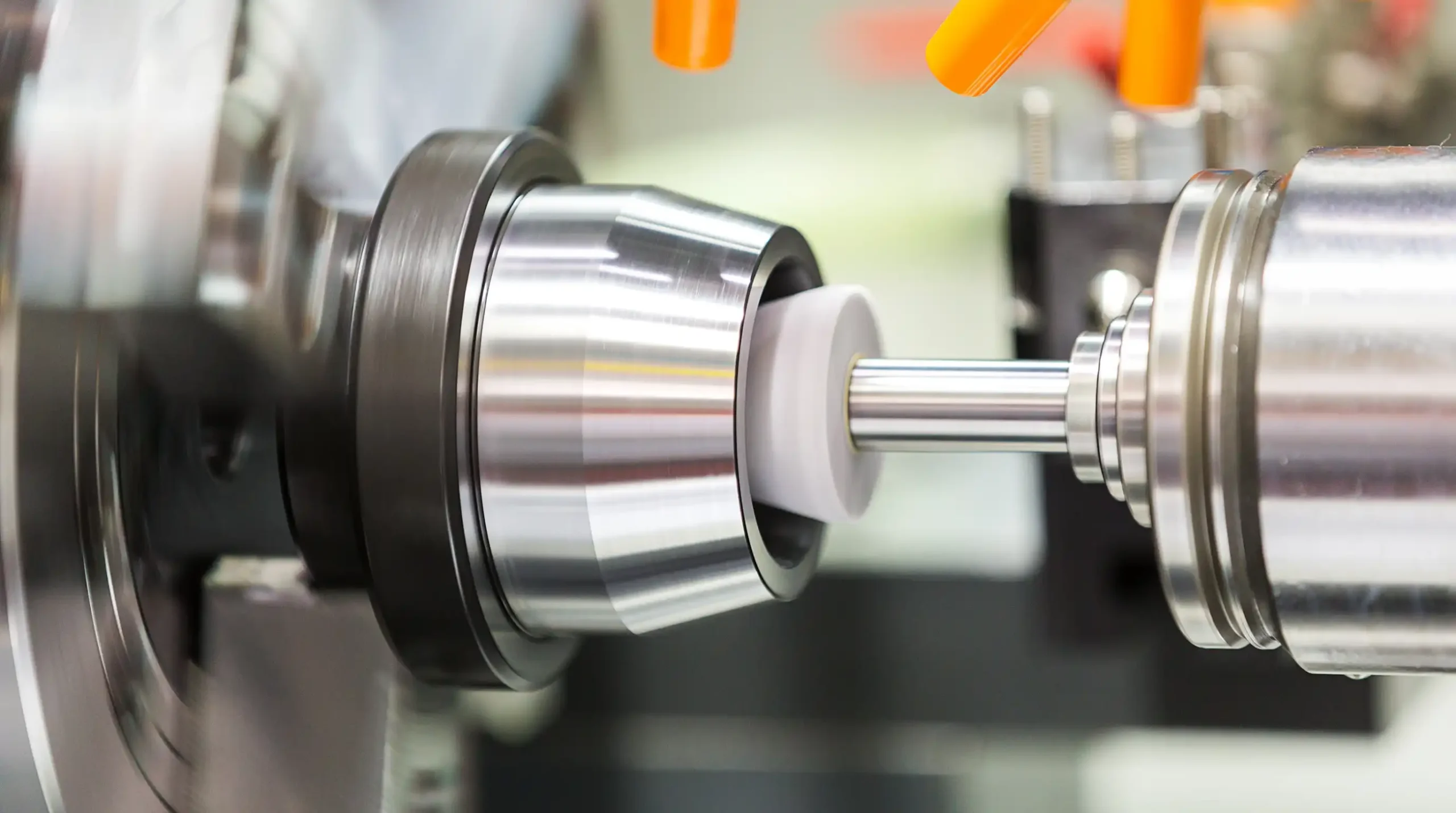
- Draw Dies: One of the most common and cost-effective repairs. If a die is scored or worn out of tolerance, it can frequently be re-polished and sized up to your next required internal dimension, giving the die a complete second life.
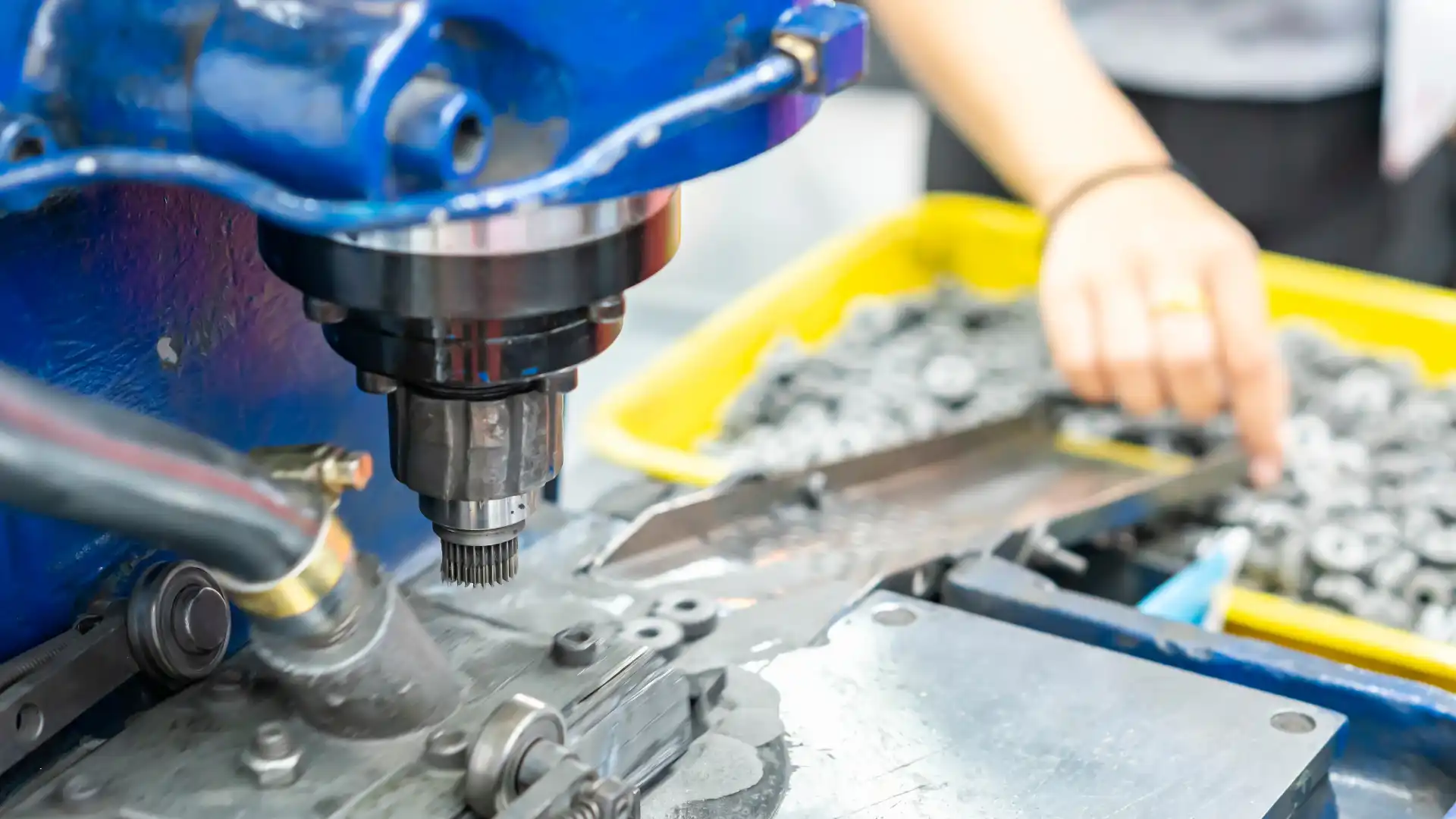
- Punches and Bushings: Edges get dull, and micro-chipping happens. Through precision CNC grinding, these tools can be sharpened, faced, and re-profiled to restore their original, clean cutting geometry.
- General Wear Parts: Any carbide component used for guides, rests, or high-friction contact points can typically be surface-ground to restore perfect flatness, parallelism, and operational smoothness.
The Bullseye Precision Advantage
At Bullseye Precision, we don’t just sell tooling; we manage it. Located in Buckley, Michigan, we bring a no-nonsense Northern Michigan work ethic to every piece of carbide that hits our dock.
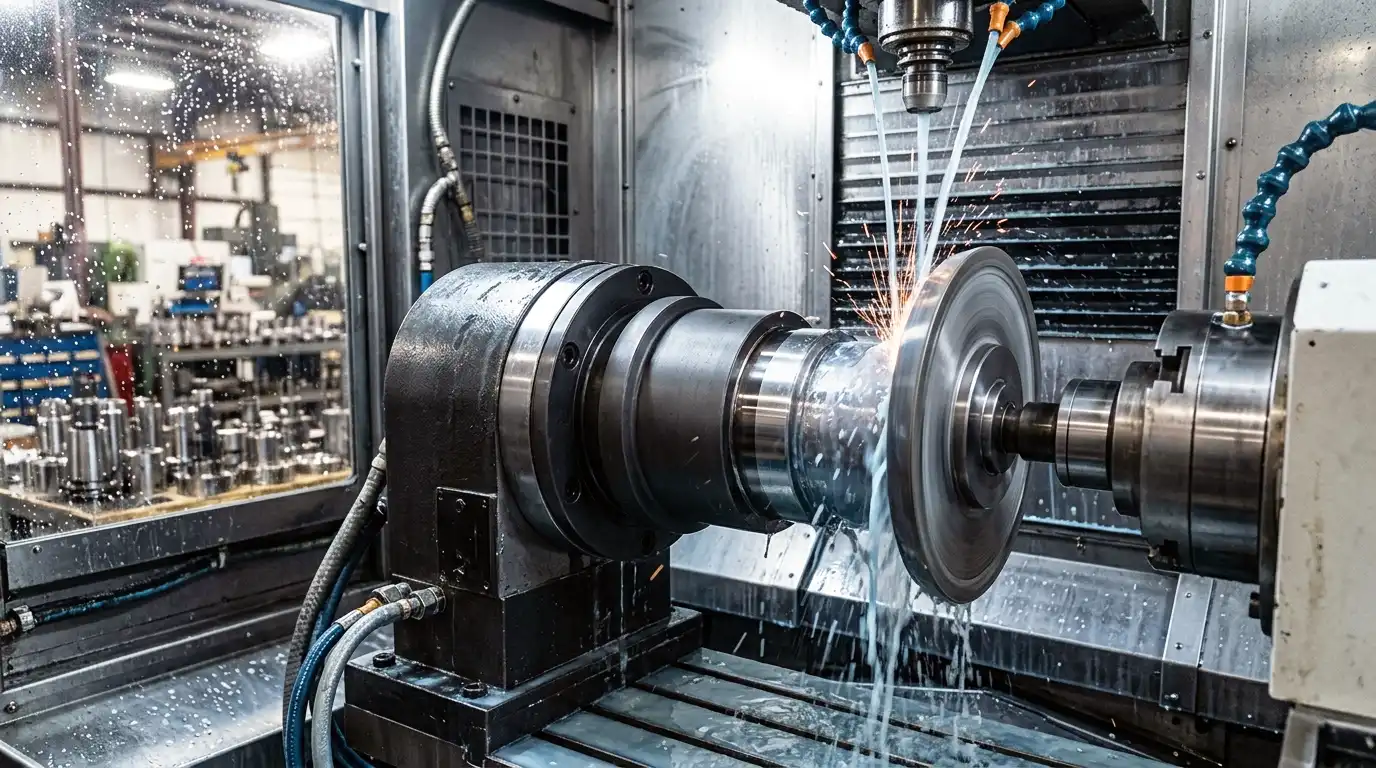
We utilize a full suite of manual and CNC precision grinding, along with EDM capabilities, to tackle complex repairs that other shops simply won’t touch. Because we operate under strict ISO 9001:2015 certified processes, you can trust that a repaired tool leaving our facility will meet the exact tolerances and performance standards of a brand-new part.
More importantly, we give it to you straight. We assess your tooling honestly—if a part is too far gone and unsafe to run, we will tell you to scrap it. But if it can be saved, we have the expertise to restore it and get your line moving again.
Stop Scrapping Your Profits
Tungsten carbide is too valuable to sit in a scrap bin when it could be actively producing parts. By integrating a “repair first” mentality into your procurement strategy, you can drastically reduce your tooling budget and eliminate the stress of long lead times.
Not sure if your worn tooling is past the point of no return?
Don’t guess. Send it to Bullseye Precision for an honest assessment. Contact our tooling experts today to request a quote and see exactly how much you could be saving.