In high-volume manufacturing, chemical processing, and fluid handling, the cost of unplanned downtime rarely stems from catastrophic plant failures. More often, it traces back to a slow, predictable, yet notoriously expensive culprit: accelerated wear on mission-critical components.
When abrasive slurries, high-velocity media, and corrosive chemicals circulate through a production line, standard tool steels and off-the-shelf catalog parts rapidly fail. A hardened steel valve seat may hold dimensional integrity under clean hydraulic testing, but introduce sand-laden fluids, chemical catalysts, or dynamic sliding friction, and that seat will wash out, pit, and leak within weeks.
Tungsten carbide is the industry benchmark for combating extreme abrasion and high-pressure wear. However, acquiring raw carbide is only half the battle. Operating in severe-service environments requires tight dimensional control, micro-inch surface finishes, and absolute concentricity.
When catalog components fall short, engineering and maintenance teams are transitioning toward custom tungsten carbide wear components ground directly to print.
The Primary Wear Mechanisms in Harsh Industrial Environments
To specify and grind effective replacement components, plant engineers must isolate the physical forces destroying their parts on the line:
High-Velocity Slurry Erosion
In pump bodies, choke assemblies, and flow nozzles, fluid-borne particulates strike component surfaces at high speeds. Standard metals suffer rapid micro-gouging and erosion, rounding critical sealing edges and opening dimensional gaps. Tungsten carbide resists this cutting action due to its extreme Vickers hardness, keeping fluid paths geometrically true over millions of continuous duty cycles.
Galling and Mechanical Frictional Wear
High-load rotating shafts, pump plungers, and reciprocating bushings operate under tight running clearances. When mating surfaces experience boundary lubrication failure, metal-to-metal contact generates microscopic friction welds. As the equipment rotates or strokes, these micro-welds tear away material—a failure mechanism known as galling. The dense grain structure and low coefficient of friction of precision-finished carbide stop galling before it starts, eliminating shaft seizure and mechanical lockups.
Chemical Attack and Binder Leaching
Not all severe service is purely mechanical. In petrochemical, chemical, and pharmaceutical applications, corrosive chemicals often attack the metallic binder holding the carbide grains together. In standard grades, acidic solutions can leach cobalt out of the matrix, causing individual carbide grains to fall away without support. For these environments, grinding specialized nickel-bonded or corrosion-resistant grades ensures the chemical integrity of the part matches its mechanical abrasion resistance.
Critical High-Wear Geometries Ground Direct-to-Print
Standard catalog sizes rarely accommodate custom production machinery or retrofitted assembly lines. Grinding severe-service parts to exact customer prints allows manufacturing facilities to upgrade the reliability of their wear tooling without redesigning adjacent machinery:
- Precision Valve Seats, Chokes & Trim: Industrial control valves require bubble-tight shutoff under severe backpressures. Even slight waviness or out-of-roundness across a valve seat causes wire drawing, high-pressure cavitation, and premature leakage. Grinding valve trim to sub-0.0001″ circularity ensures positive sealing under dynamic thermal and pressure cycling.
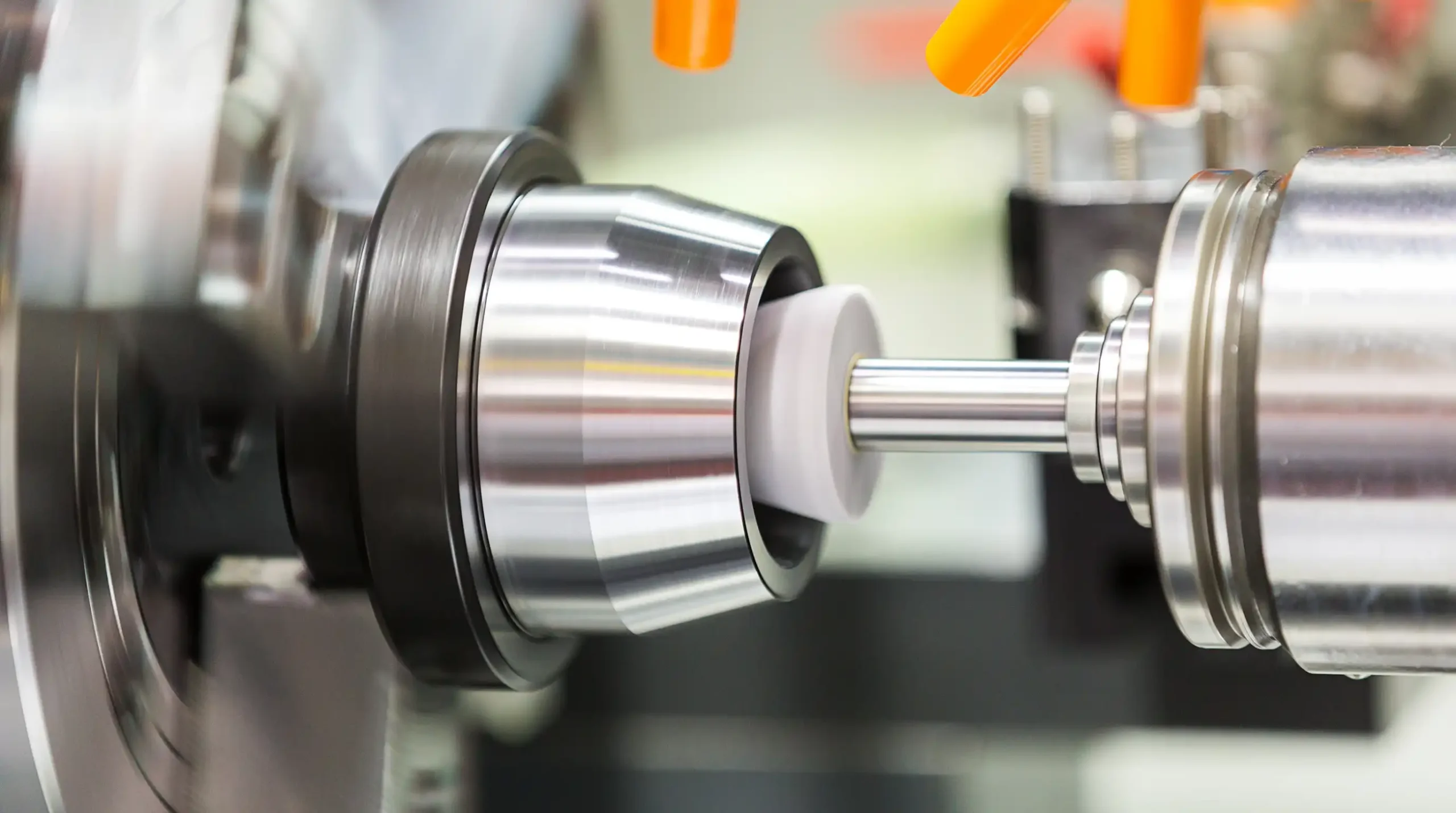
- Centrifugal & Reciprocating Pump Sleeves: When packing materials or mechanical seal faces ride on a rotating shaft sleeve, surface roughness dictates seal life. Sizing and cylindrical OD grinding of custom carbide sleeves eliminate shaft deflection, reduce friction drag, and extend seal packing life significantly.
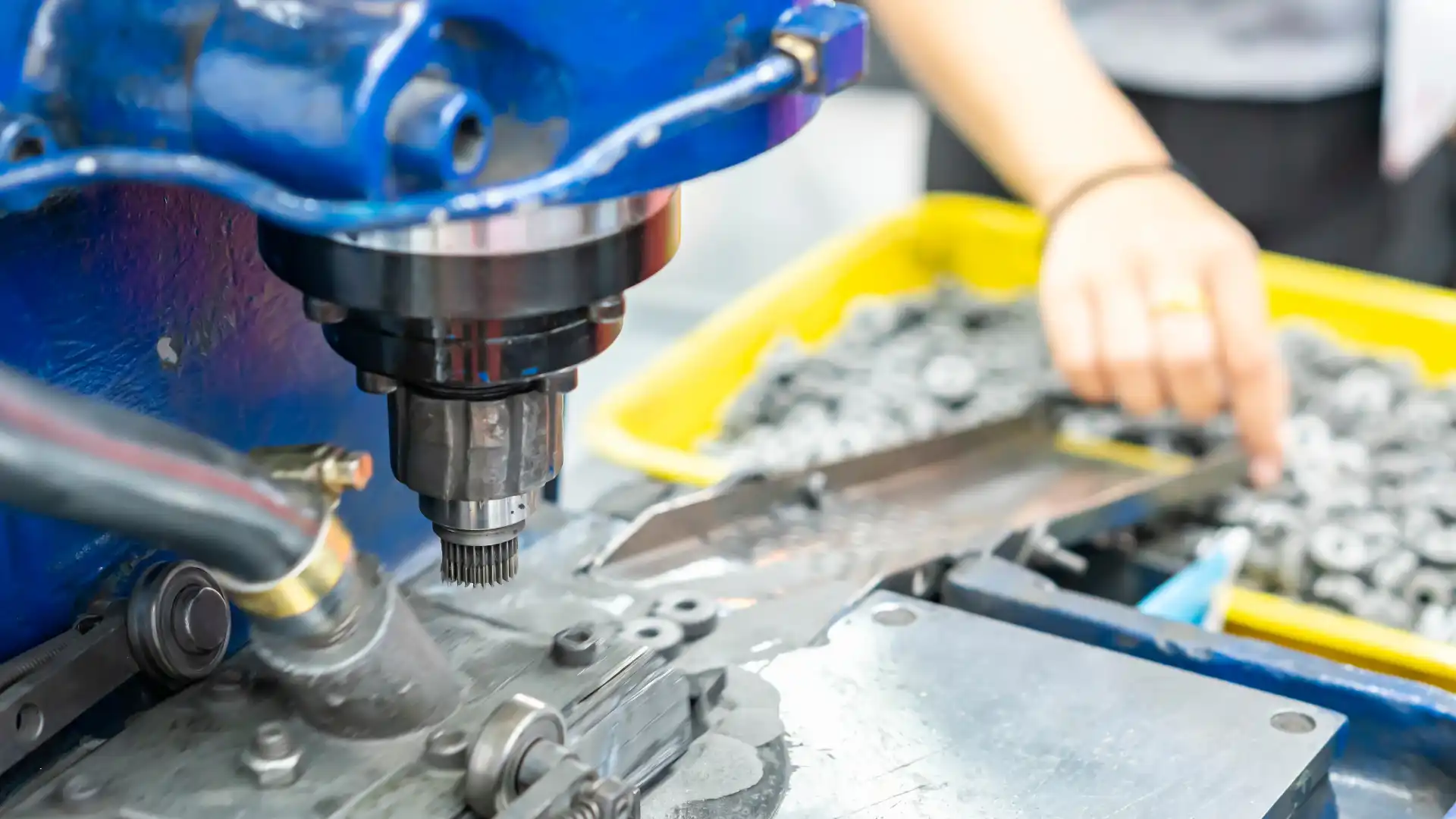
- Abrasion-Resistant Guide Bushings & Liners: From wire drawing to heavy-duty stamping guides, precision-ground inner diameters provide stable, low-friction guiding that eliminates machine chatter and vibration drift.
- Custom Wear Plates & Strips: Flat-ground solid carbide plates protect high-impact chute transitions, structural machine beds, and sliding ways from continuous particulate abrasion.
The Grinding Discipline: Preserving Metallurgy While Holding Tenths
Achieving extreme service life requires specialized grinding procedures. Sintered carbide behaves very differently on a grinding machine than hardened alloy steels. Improper grinding techniques can ruin an expensive carbide blank before it ever reaches the plant floor.
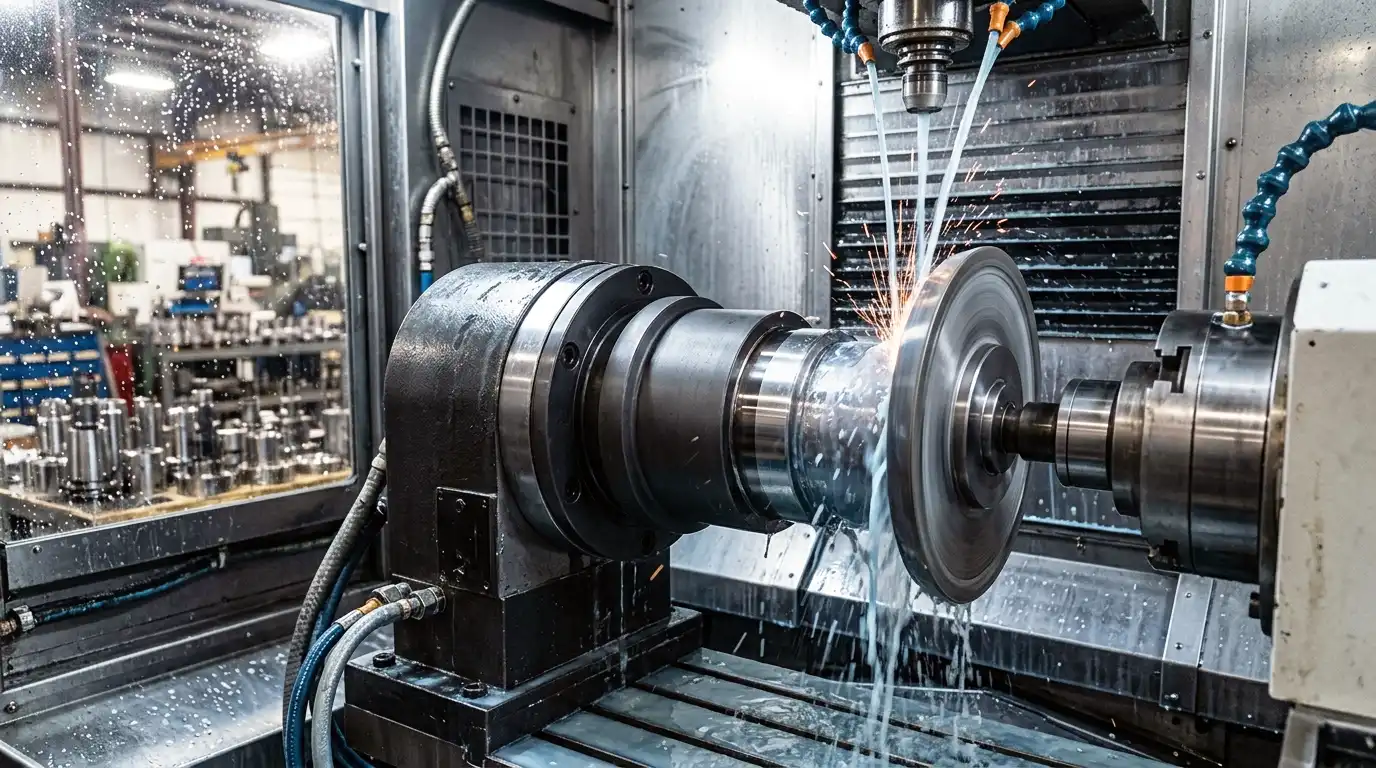
Tungsten carbide cannot tolerate aggressive, dry grinding or rapid thermal cycling. When a grinding wheel generates excessive friction, the localized heat spikes past 1,200°F. Because the metallic binder expands at a much faster rate than the hard carbide grains, this localized thermal shock creates microscopic cracks beneath the surface known as thermal checking. Under operating pressure, those sub-surface cracks quickly propagate into full structural breaks.
Precision grinding shops prevent thermal fatigue by utilizing:
- High-Flow Fluid Refrigeration: Continuous, high-pressure refrigerated flood coolant flushes away heat immediately at the point of diamond abrasive contact, preventing thermal checking.
- Dedicated Multi-Axis CNC OD/ID Setups: Machining shanks, tapers, and critical diameters in single setups eliminates runout, ensuring that components operate in pure alignment without destructive lateral side-loading.
- Micro-Inch Superfinishing: Polishing sealing bands, sleeve journals, and wear faces down to mirror-like Ra surface finishes removes microscopic grinding lay lines where chemical corrosion or mechanical notches could initiate.
Explore how Bulls-Eye Precision handles complex tooling geometries on our updated Carbide Tooling page, or review our core grinding capabilities under our services.
Bypassing 16-Week OEM Lead Times
One of the largest challenges facing maintenance and procurement teams is lead-time volatility. Sourcing replacement wear sleeves, valve trim, or specialty tooling through foreign original equipment manufacturers frequently means enduring 12- to 16-week delivery queues.
When an active production line risks sitting idle, waiting months for an OEM shipment is unacceptable.
Working with a domestic grinding partner that manufactures direct-from-print provides critical operational advantages:
- Rapid Turnaround on Custom Prints: Sourcing directly from 2D engineering prints or 3D CAD files bypasses administrative OEM delays and delivers parts directly into your tool crib.
- Tiered Backup Programs: Reconditioning worn components back to print dimensions—or grinding matched replacement sets—allows plants to maintain dedicated backup tooling ready for immediate swap-out.
- Application-Specific Solutions: Modify radii, add relief angles, or upgrade carbide grades to resolve recurring failure points instead of continually reordering flawed catalog designs.
Upgrade Your High-Wear Production Assets
Component wear does not have to dictate plant maintenance schedules. By pairing the appropriate carbide grade with high-precision CNC OD/ID and surface grinding, industrial facilities can resolve chronic erosion, stop galling, and protect their bottom lines against unscheduled downtime.
If you have an active print, a worn component needing reverse engineering, or an application that is burning through standard wear tooling too quickly, contact our engineering team in Buckley, MI.
Visit our contact page to submit your drawings for review or call us directly to discuss your tooling tolerances.