
Solving Die Bore Wear: How Precision ID Grinding Stops Capping, Sticking, and Inconsistent Tablet Weights
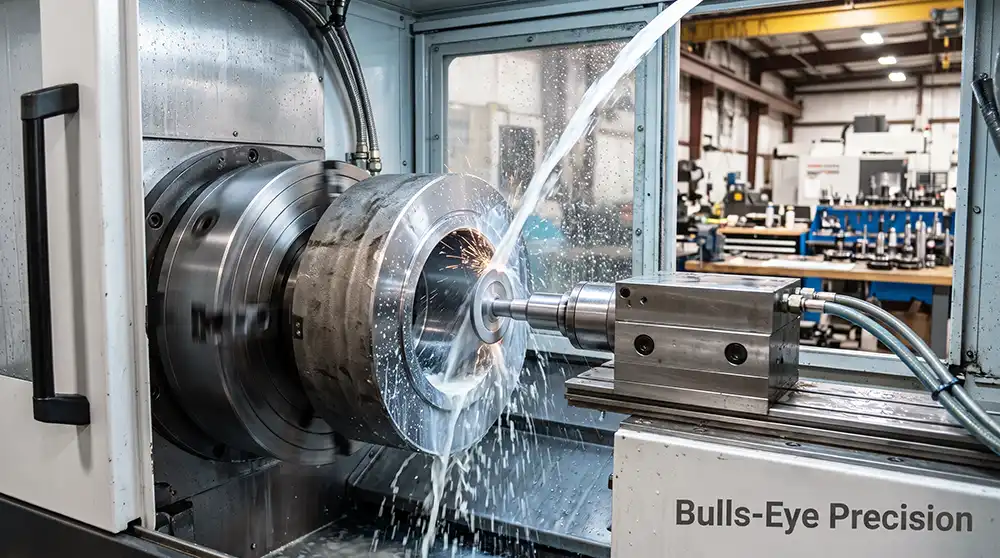
When compaction presses suffer from tablet capping, sticking, and weight drift, the issue is rarely the formulation—it is microscopic bore wear inside the die cavity. Discover what causes compaction wear rings, how sub-0.0001″ internal CNC grinding and mirror finishes resolve line failures, and how domestic reconditioning bypasses 16-week OEM backorders.
Shorter Lead Times: Stocking Backup Tiers vs. OEM Downtime
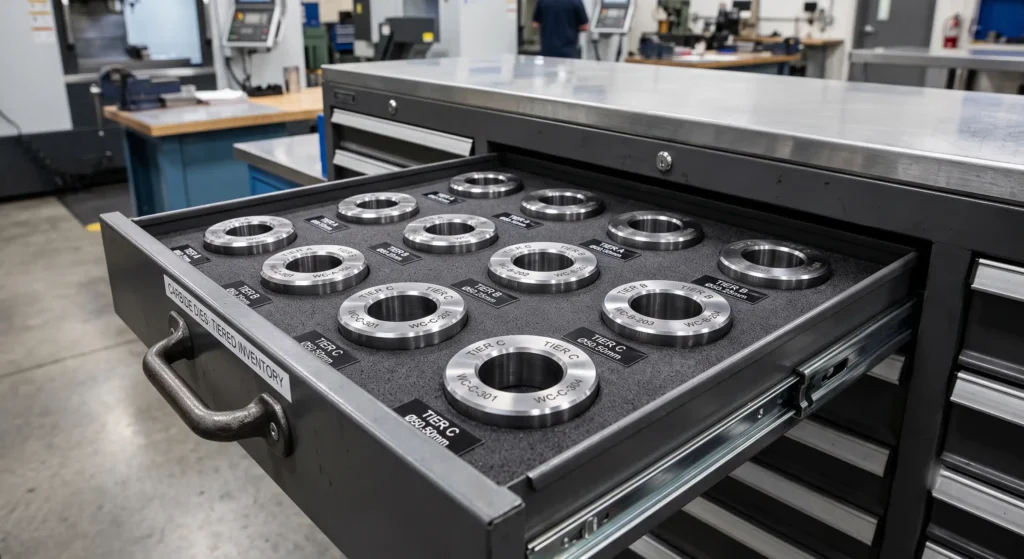
Imagine a high-volume manufacturing floor running at peak capacity. Suddenly, a critical line grinds to a halt. A custom tungsten carbide die has finally breached its wear tolerance, drifting just enough out of specification to trigger a quality control rejection. In a traditional shop, this moment sparks immediate panic. The real problem isn’t just the […]
Beyond the Spreadsheet: How a Tiered Tooling Inventory Cuts Procurement Costs
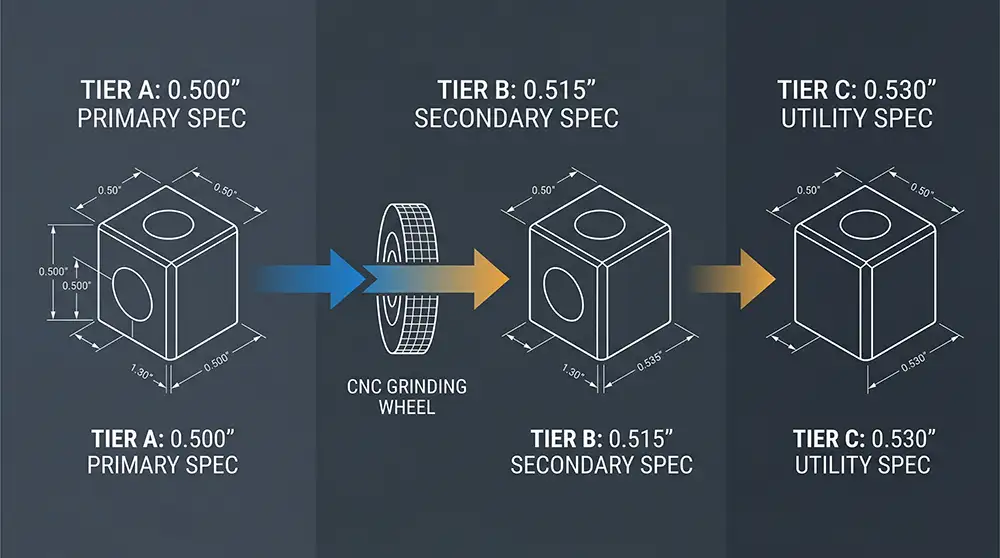
For most high-volume manufacturing facilities, tool room management is purely reactive. A tungsten carbide die is pulled from a production line when it begins producing out-of-spec parts or signs of catastrophic failure appear. It is logged on a spreadsheet, tossed into a scrap bin, and a purchase order for a costly replacement is immediately generated. […]